
🔑 Key Takeaway
Key Clinical & Policy Sources
- According to SAMHSA’s 2022 National Survey, approximately 22.8% of U.S. adults experienced mental illness in the past year.
- SAMHSA data shows only 46.2% of U.S. adults with mental illness received treatment in 2022.
- The CDC reports depression affects more than 21 million American adults annually.
Residents of Queens seeking home care services Medicaid New York can access Medicaid-covered telehealth mental health services in 2026. Our clinical team is available to help navigate enrollment, provider selection, and ongoing care coordination.
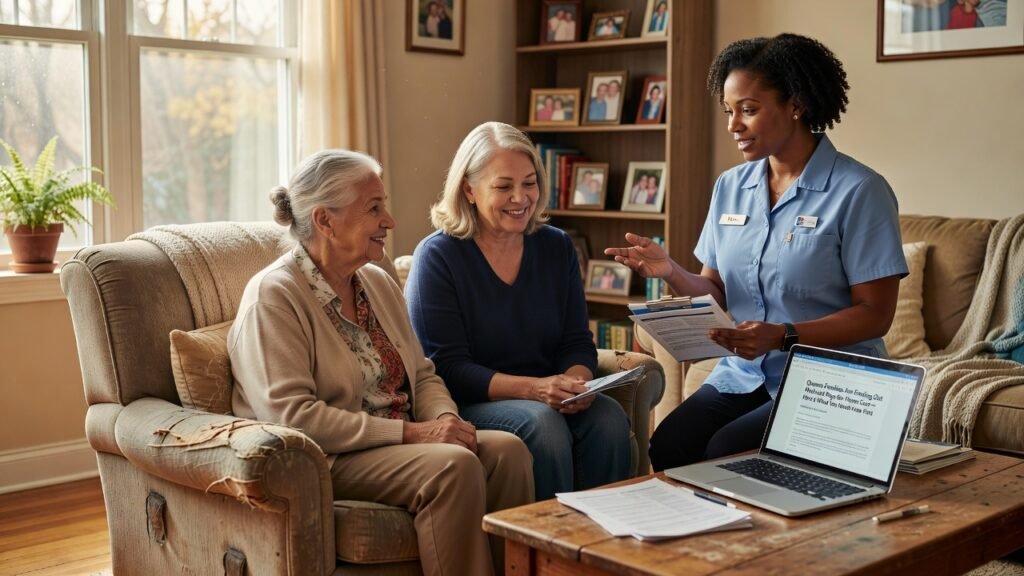
Queens Families Are Finding Out Medicaid Pays for Home Care Here’s What You Need to Know First
Caring for an aging parent or loved one is one of the biggest responsibilities a family can face. Many Queens residents want to help their loved ones remain at home instead of moving into a nursing facility, but the cost of daily care often feels overwhelming. What many families don’t realize is that New York Medicaid may already provide coverage for home care services, making it possible for seniors and individuals with disabilities to receive the assistance they need while continuing to live in the comfort of their own homes.
Across neighborhoods like Flushing, Astoria, Jamaica, Jackson Heights, Bayside, Richmond Hill, and Far Rockaway, thousands of families are discovering that Medicaid-funded home care can provide both financial relief and peace of mind. Whether your loved one needs assistance with bathing, dressing, meal preparation, mobility, or managing medications, Medicaid may help cover these essential services if eligibility requirements are met.
If you’re beginning this journey for the first time, the process can feel confusing. Questions about eligibility, paperwork, assessments, and choosing the right provider often leave families unsure where to start. The good news is that understanding the basics can make the process much easier.
This guide explains how Medicaid home care works in Queens, who may qualify, the types of services available, and the steps involved in getting started. You’ll also learn how experienced professionals can guide you through every stage of the application process, helping you avoid common delays and ensuring your loved one receives the care they deserve.
Understanding Medicaid Home Care Services in Queens
Home care is designed to help people continue living safely and comfortably in their own homes while receiving assistance with everyday activities. Rather than relocating to an assisted living facility or nursing home, eligible individuals can receive professional support that allows them to maintain their independence and remain close to family, friends, and their community.
For many Queens families, staying at home is about more than convenience. It means remaining in familiar surroundings, preserving routines, and maintaining connections within neighborhoods that have been home for decades. Medicaid-funded home care supports this goal by covering a variety of in-home services based on an individual’s medical and functional needs.
Depending on eligibility and assessment results, Medicaid home care services may include:
- Personal care assistance with bathing, grooming, dressing, and hygiene
- Meal planning and meal preparation
- Assistance with walking and transferring safely
- Medication reminders
- Light housekeeping related to the individual’s care
- Laundry assistance
- Shopping for groceries and essential household items
- Transportation coordination for medical appointments
- Skilled nursing services when medically necessary
- Physical, occupational, or speech therapy following physician recommendations
One of the most popular Medicaid programs in New York is the Consumer Directed Personal Assistance Program (CDPAP). This program allows eligible Medicaid recipients to choose their own caregiver, including certain family members or trusted friends. For many Queens households where family members already provide daily assistance, CDPAP offers an opportunity for caregivers to be compensated while continuing to care for someone they love.
This flexibility has made CDPAP especially valuable in multigenerational households throughout Queens, where family members often play an active role in caring for elderly parents or relatives.
Home care services are not limited to seniors. Adults living with chronic illnesses, disabilities, neurological conditions, or those recovering from surgery may also qualify for assistance if they meet Medicaid eligibility requirements.
The primary goal of Medicaid home care is simple: to help individuals remain safely at home while receiving personalized care that supports their health, dignity, and independence.
When families understand the available services and the different programs offered under New York Medicaid, they are better equipped to choose the care option that best meets their loved one’s unique needs.
Who Qualifies for Medicaid Home Care in Queens?
One of the first questions families ask is whether their loved one qualifies for Medicaid-funded home care. While every situation is unique, eligibility is generally based on two important factors: financial qualifications and medical necessity. Both must be met before home care services can be authorized.
Many people mistakenly assume that Medicaid home care is only available to individuals with extremely low incomes or those who are completely bedridden. In reality, New York’s Medicaid program is designed to help many seniors and adults with disabilities receive care at home when they need assistance with everyday living.
Financial Eligibility
The first step is determining whether the applicant meets New York Medicaid’s financial requirements. Medicaid considers both income and assets when evaluating eligibility for community-based home care programs.
Income limits and asset thresholds are updated periodically by New York State, and certain assets may not count toward eligibility. For example, under specific circumstances, a primary residence, personal belongings, and one vehicle may be exempt.
Families whose income is slightly above the Medicaid limit should not immediately assume they are ineligible. New York offers pathways that may allow individuals to qualify despite exceeding standard income limits. An experienced Medicaid specialist can review each family’s situation and explain the available options.
Because eligibility guidelines can change, speaking with a knowledgeable advisor before making financial decisions is one of the smartest steps families can take.
Medical and Functional Eligibility
Meeting the financial requirements alone is not enough.
Applicants must also demonstrate that they require assistance with activities of daily living. Medicaid evaluates whether an individual can safely perform routine tasks independently or requires help to remain at home.
These activities often include:
- Bathing
- Dressing
- Grooming
- Walking safely
- Using the bathroom
- Transferring between bed and chair
- Preparing meals
- Managing medications
- Mobility throughout the home
Some individuals may also qualify because of cognitive conditions such as dementia or Alzheimer’s disease, while others require assistance due to Parkinson’s disease, stroke recovery, chronic illnesses, or physical disabilities.
The goal is not to determine whether someone is completely dependent on others but rather whether regular support is necessary to maintain their health and safety at home.
The UAS-NY Assessment
Once Medicaid eligibility is established, applicants typically complete the Uniform Assessment System for New York, commonly known as the UAS-NY assessment.
During this evaluation, a trained healthcare professional visits the individual in their home to understand their daily routines, medical conditions, and functional abilities.
The assessment considers factors such as:
- Physical mobility
- Personal hygiene needs
- Cognitive functioning
- Medical diagnoses
- Safety risks
- Daily care requirements
- Overall health status
Based on this evaluation, Medicaid determines the level of assistance the individual needs. This assessment also helps establish the number of authorized home care hours that may be approved.
Preparing for this assessment is important. Families should be ready to discuss the applicant’s daily challenges honestly and provide any medical documentation that supports the need for home care services.
Common Reasons Families Delay Applying
Many Queens residents wait until a medical emergency occurs before exploring home care options. Unfortunately, waiting until a hospitalization or sudden decline in health often creates unnecessary stress and delays.
Some common reasons families postpone applying include:
- Assuming they earn too much to qualify
- Believing Medicare covers long-term personal care
- Thinking they must first enter a nursing home
- Feeling overwhelmed by the application process
- Not knowing where to begin
In reality, starting early often leads to a smoother experience. Gathering documentation, completing assessments, and selecting the right care provider all take time. Beginning the process before a crisis allows families to make informed decisions rather than rushed ones.
How Professional Guidance Makes the Process Easier
Although families can navigate the Medicaid application independently, many choose to work with experienced professionals who understand New York’s Medicaid home care system.
A knowledgeable team can help:
- Review preliminary eligibility
- Explain available Medicaid home care programs
- Assist with required documentation
- Coordinate the assessment process
- Answer questions throughout the application
- Help families avoid common paperwork mistakes
- Guide applicants through every step until services begin
Having expert assistance often reduces delays and provides reassurance during what can otherwise be a complicated process.
For many Queens families, the greatest benefit isn’t simply receiving help with paperwork it’s knowing they have someone available to explain each step clearly and advocate for the care their loved one needs.
Medicaid Home Care Services Available in Queens
Once your loved one has been approved for Medicaid home care, the next step is understanding which services are available. Many first-time applicants are surprised to learn that Medicaid offers several care options designed to meet different levels of need. Whether someone requires a few hours of personal assistance each week or ongoing support for a chronic condition, there is often a program that can provide the appropriate level of care.
Choosing the right type of care begins with understanding what each program offers and how it fits your loved one’s daily routine.
Personal Care Services
Personal Care Services (PCS) are among the most commonly used Medicaid home care benefits in New York. These services help individuals who need assistance with everyday activities but want to remain in their own homes.
A trained personal care aide may assist with:
- Bathing and personal hygiene
- Dressing and grooming
- Meal preparation
- Light housekeeping related to the individual’s care
- Laundry
- Walking and mobility assistance
- Safe transfers between bed, chair, or wheelchair
- Grocery shopping and essential errands
- Medication reminders
These services are designed to improve both safety and quality of life while helping individuals maintain as much independence as possible.
For many seniors in Queens, even a few hours of daily assistance can make the difference between continuing to live at home and requiring placement in a long-term care facility.
Consumer Directed Personal Assistance Program (CDPAP)
One of New York’s most recognized Medicaid programs is the Consumer Directed Personal Assistance Program, commonly referred to as CDPAP.
Unlike traditional home care, CDPAP allows eligible Medicaid recipients to choose who provides their care. In many cases, this can be a trusted family member or close friend, provided they meet program requirements.
This flexibility offers several advantages.
First, many older adults feel more comfortable receiving care from someone they already know and trust. Familiar caregivers often understand personal routines, cultural traditions, dietary preferences, and communication styles, making the experience more comfortable for everyone involved.
Second, CDPAP recognizes the important role family caregivers already play. Many adult children spend years helping aging parents with daily activities while balancing careers and raising families. Through CDPAP, eligible caregivers may receive compensation for the care they are already providing.
This program has become especially valuable in Queens, where multigenerational households are common and families often work together to care for aging relatives.
Home Health Aide Services
Some individuals require a higher level of support than personal care services alone can provide.
Home Health Aides (HHAs) receive additional training and may assist with tasks performed under nursing supervision.
Depending on the individual’s care plan, Home Health Aides may help with:
- Monitoring general health
- Medication support
- Vital sign observation
- Assistance during recovery from illness or surgery
- Reinforcing physician-directed care plans
These services are particularly beneficial for individuals managing chronic medical conditions or recovering after hospitalization.
Managed Long-Term Care (MLTC)
For individuals who require ongoing home care over an extended period, services are often coordinated through a Managed Long-Term Care (MLTC) plan.
Rather than arranging multiple services independently, an MLTC plan helps coordinate care under one system.
This may include:
- Personal care services
- Home health aides
- Medical equipment
- Therapy services
- Care coordination
- Transportation benefits
- Ongoing case management
Having a single organization oversee multiple aspects of care can reduce confusion and make it easier for families to communicate with healthcare providers.
Skilled Nursing and Therapy Services
Some Medicaid recipients require skilled medical care at home rather than assistance with daily activities alone.
Depending on medical necessity and physician recommendations, eligible individuals may receive services such as:
- Skilled nursing care
- Physical therapy
- Occupational therapy
- Speech therapy
- Post-hospital recovery services
These services are commonly arranged through Certified Home Health Agencies and are intended to help individuals recover safely while avoiding unnecessary hospital readmissions.
For seniors recovering from surgery or individuals managing chronic illnesses, receiving therapy at home can be both convenient and beneficial.
Services Medicaid May Cover
Depending on the approved care plan, Medicaid-funded home care may include:
- Personal care assistance
- Home Health Aide services
- CDPAP caregiver services
- Skilled nursing
- Physical therapy
- Occupational therapy
- Speech therapy
- Durable medical equipment when medically necessary
- Transportation for medical appointments
- Care coordination through an MLTC plan
The exact services authorized depend on each person’s assessment and individual care needs.
Services That Typically Are Not Covered
Understanding what Medicaid does not cover is equally important.
Generally, Medicaid home care is not intended to pay for:
- Around-the-clock private-duty care without medical authorization
- General housekeeping unrelated to the individual’s health needs
- Companion services without a personal care component
- Care provided by relatives who are not eligible under program rules
Knowing these limitations helps families develop realistic expectations while planning long-term care.
Selecting the Right Home Care Provider
Receiving approval for Medicaid home care is only part of the journey. Choosing the right provider can significantly influence your loved one’s experience.
When comparing home care agencies, consider asking questions such as:
- Is the agency licensed by New York State?
- Do they have caregivers who speak your family’s preferred language?
- Do they have experience caring for individuals with your loved one’s medical condition?
- How do they handle caregiver replacements if someone is unavailable?
- Will the same caregiver visit consistently whenever possible?
- How do they communicate with family members regarding care updates?
Queens is one of the most culturally diverse communities in the country. Finding a provider that understands your family’s language, customs, and preferences can make the transition into home care much smoother.
Most importantly, look for an organization that takes time to answer your questions, explains the Medicaid process clearly, and supports your family from the initial consultation through ongoing care.
How to Apply for Medicaid Home Care in Queens
Applying for Medicaid home care can seem overwhelming at first, especially if you’ve never navigated government healthcare programs before. The good news is that understanding each step in advance can help you avoid unnecessary delays and make the experience much less stressful. While every family’s situation is unique, the general process follows a similar path for most Queens residents.
Step 1: Confirm Medicaid Eligibility
If your loved one is not already enrolled in Medicaid, the first step is completing a Medicaid application. This includes submitting financial information and other required documentation to determine eligibility.
If they already have active Medicaid coverage, you can typically move forward with requesting an assessment for home care services.
Having documents organized before you begin can save valuable time. These may include identification, proof of residency, income information, insurance details, and medical records that support the need for home care.
Step 2: Complete the Functional Assessment
Once Medicaid eligibility is established, the next step is scheduling the required assessment.
A healthcare professional will evaluate your loved one’s ability to perform daily activities, review their medical history, and determine the level of care they require. The results of this assessment help establish whether home care is appropriate and how many hours of assistance may be authorized.
Being open and honest during the assessment is essential. Families sometimes unintentionally understate the challenges their loved one faces because they have grown accustomed to helping every day. Accurately describing daily limitations ensures the assessment reflects the individual’s true care needs.
Step 3: Choose the Right Care Program
After approval, you’ll work with the appropriate program or care coordinator to determine how services will be provided.
Depending on the individual’s needs, this may include:
- Personal Care Services
- Consumer Directed Personal Assistance Program (CDPAP)
- Managed Long-Term Care (MLTC)
- Home Health Aide services
- Skilled nursing or therapy services
Selecting the right option depends on your loved one’s medical condition, daily routine, and personal preferences.
Step 4: Begin Receiving Care
Once all approvals are complete and a caregiver has been assigned or selected through CDPAP services can begin.
Many families find that the first few weeks involve a period of adjustment as everyone becomes familiar with the new routine. Consistent communication between caregivers, family members, and care coordinators helps ensure services continue to meet the individual’s changing needs.
Common Mistakes Families Should Avoid
Applying for Medicaid home care doesn’t have to be difficult, but certain mistakes can delay the process or create unnecessary frustration.
Some of the most common include:
- Waiting until a medical emergency before applying
- Assuming Medicare and Medicaid provide the same benefits
- Believing they earn too much without verifying eligibility
- Submitting incomplete paperwork
- Missing requested documentation
- Underreporting daily care needs during the assessment
- Choosing a provider based solely on convenience rather than experience
Avoiding these common issues can make the application process smoother and help your loved one receive services sooner.
Why Families Choose Professional Assistance
While it’s possible to navigate the Medicaid application process independently, many families appreciate having an experienced team guide them from start to finish.
Professional assistance can help you:
- Understand available Medicaid home care programs
- Determine preliminary eligibility
- Organize required documentation
- Prepare for the assessment process
- Answer questions throughout the application
- Coordinate with care providers
- Minimize delays caused by paperwork errors
Instead of trying to figure everything out alone, families can focus on supporting their loved one while knowledgeable professionals handle the administrative details.
Frequently Asked Questions
Does Medicaid pay for home care in Queens?
Yes. Eligible New York Medicaid recipients may receive coverage for home care services, including personal care assistance, home health aides, and other medically necessary services based on their assessment and approved care plan.
Can a family member become a paid caregiver?
In many cases, yes. Through the Consumer Directed Personal Assistance Program (CDPAP), eligible individuals may choose certain family members or trusted friends to provide care, subject to program requirements.
How long does the application process take?
The timeline varies depending on individual circumstances, documentation, and assessment scheduling. Starting early often helps prevent delays and allows families to receive services sooner.
Are home care services only available for seniors?
No. Adults living with disabilities, chronic illnesses, neurological conditions, or recovering from surgery may also qualify if they meet Medicaid eligibility requirements.
Will someone help me understand the process?
Yes. Working with experienced Medicaid home care specialists can make the process easier by explaining each step, helping with documentation, and guiding families through the application process.
Helping Queens Families Navigate Medicaid Home Care with Confidence
Choosing home care is more than a healthcare decision it’s a decision about preserving independence, maintaining dignity, and allowing loved ones to remain in the place they call home. For many families throughout Queens, Medicaid-funded home care provides an opportunity to receive compassionate, professional support without the financial burden often associated with long-term care.
Although the application process may seem complicated at first, you don’t have to navigate it alone. With the right guidance, understanding eligibility, completing assessments, and choosing the appropriate care program can become much more manageable.
Whether you’re exploring home care for an aging parent, a spouse, or another family member, taking action today can help you avoid unnecessary stress tomorrow.
Get Your Free Medicaid Home Care Eligibility Review
If you’re wondering whether your loved one may qualify for Medicaid-funded home care in Queens, our experienced team is here to help.
We provide compassionate guidance throughout every stage of the process, including eligibility reviews, application assistance, care coordination, and support in understanding available Medicaid home care programs.
Contact us today for a free, no-obligation consultation.
We’ll help you:
- Understand your eligibility options
- Explain available home care programs
- Assist with Medicaid application questions
- Guide you through the assessment process
- Help you choose the care solution that best fits your family’s needs
Don’t wait until a health crisis forces difficult decisions. Reach out today and take the first step toward securing quality in-home care for your loved one while helping them remain safe, comfortable, and independent in the home they love.
Related: Telehealth Medicaid Therapy Services — learn how virtual sessions are covered under New York Medicaid.
Also on this site: Home Care Medicaid